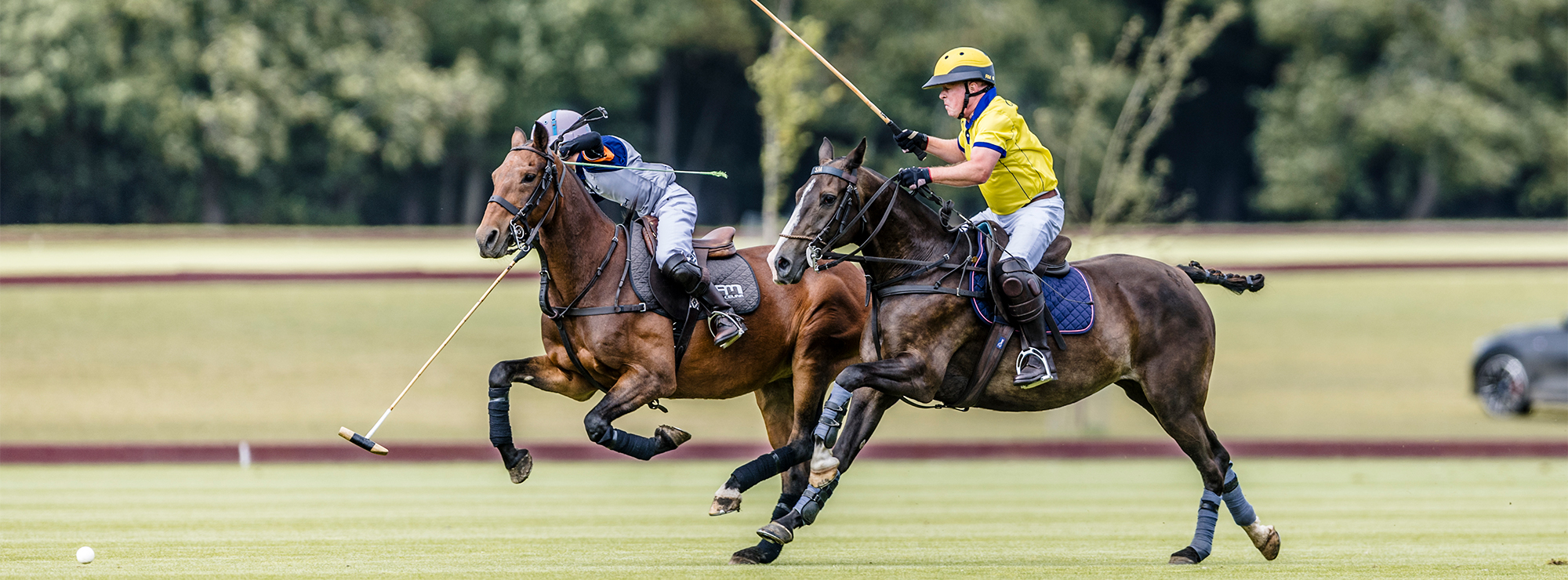
The HPA have been made aware of a reported outbreak of Equine Herpes Virus (EHV-1 – neurological form) in France, with cases potentially linked to the Le Mans venue, which recently held an FEI dressage competition. This is a developing situation all members of the equestrian community who have recently been to, are currently in, or are intending to travel to/through France should be extra vigilant at this time. Please seek veterinary advice before travel and isolate any returning horses as per the quarantine protocols. While this outbreak has not been associated with polo at this time, members should remain vigilant as there may be cases of interaction through transport, venues, and personnel interacting with travelling horses.
The official veterinary advice is:
- Horses linked to the event and/or associated venues returning to the UK should undertake quarantine protocols under the two options below. (This is highly unlikely to apply to any polo ponies):
- slow track (28 days quarantine with clinical monitoring and testing if EHV signs suspected)
- fast track using paired swab and blood testing at least 10 days apart with clinical monitoring
- Heightened awareness for all horses returning to UK from France or transiting through the country into Europe and beyond, or returning with reference to appropriate advisories on EHV as below.
EHV-1 is an air-borne disease that can be transmitted up to five metres via coughing, but also through direct contact, via people, and shared equipment. It can cause respiratory and neurological signs, abortion in pregnant mares, and death of young foals.
EHV-1 Information and Advice
Signs & Symptoms – what should you look for?
Respiratory Disease including fever, coughing, and nasal discharge
Neurological Disease including incoordination/ataxia of the hind (and occasionally fore) limbs, urine retention/dribbling and bladder weakness, recumbency (inability to rise) and mild colic signs. Neurological signs may be preceded by fever and respiratory signs.
Transmission – how is the disease spread?
Airborne transmission is the most common route; inhalation of droplets from coughing and snorting. Infected horses typically shed the virus for 7-10 days but can persist much longer, therefore a minimum 28-day isolation period is recommended after diagnosis
Indirect transmission – the virus can be live in the environment for a couple of weeks. Fomites (e.g. people, tack, yard equipment) can pass the virus between horses.
Incubation may be as short as 24 hours but is typically 4-6 days, although this can be longer.
Prevention – how can you minimise risk?
- Maintain strict biosecurity measures on new horses and horses that have recently travelled abroad
- Seek veterinary attention immediately if disease is suspected
- Vaccination policy: take advice from your own Veterinary Surgeon; vaccination decreases nasal shedding of virus and therefore decreases the total amount of virus in the environment. It helps to reduce risk and is a valuable tool but DOES NOT prevent EHV1 Neurological disease. Vaccination of animals known or suspected to have recently been in contact with EHV-1 is not recommended
- Stress reduction by avoiding physiological stress including maintaining social structures, avoiding prolonged transport, relocation, and environmental exposure.
- Disinfect and destroy bedding between horses, and clean and disinfect premises, equipment, and vehicles used for horse transport.
- Stop ALL movements on and off the premises for at least 28 days in case of infection