- Leading horse sector organisations in Britain welcome findings of their externally-commissioned, independent study recognising social importance of horse sport
- Results confirm ‘we are on the right track’ in prioritising further improvements to equine welfare and safety but there is much more to do
- Study marks the first major collaboration of the leading equestrian bodies and organisations working together to ensure a sustainable future for the equine sector
Today, 28 January 2025, the results of a major study into public attitudes on equine welfare and drivers of trust in UK horse sport have been released by leading organisations in Britain’s equine sector who joined together to commission the research in recognition of evolving social values around the involvement of animals in sport and leisure.
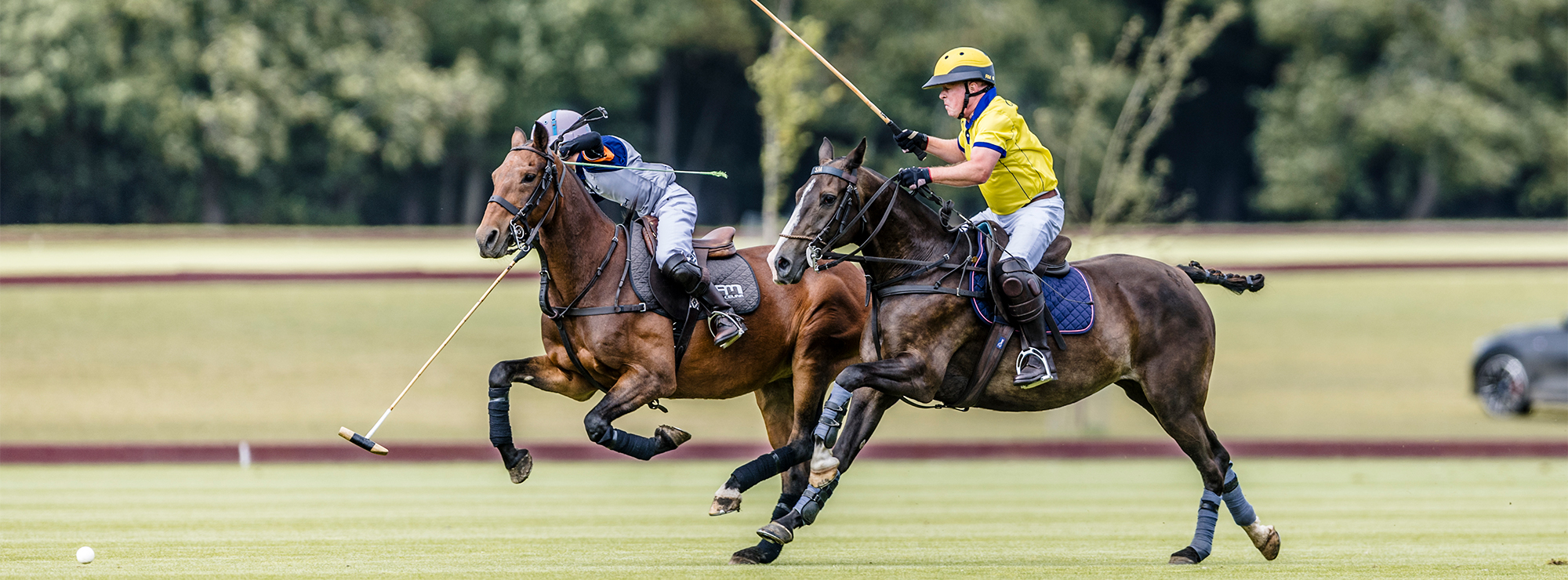
Part-funded by the HPA and with a grant from the Racing Foundation, the study was initiated by World Horse Welfare who delivered the project in collaboration with British Equestrian (including the Olympic disciplines of British Dressage, Eventing and Showjumping), the British Horseracing Authority, The British Horse Society, Hurlingham Polo Association, the British Equine Veterinary Association and The Pony Club among other organisations.
The largest survey of its kind in both scope and depth, the study was conducted by Australian engagement science specialists Voconiq, who have conducted similar studies for the extractive and livestock sectors. The research, which is based on more than 5,000 responses(1), sought to understand not only what the public think about horse sports but also why they think as they do.
The results highlighted that the UK public:
- Recognise the social importance of horses to life in the UK and this was a key driver of trust
- Value procedural fairness(2), regulation, distributional fairness (3) and transparency on welfare as additional drivers of trust – with many of these underpinned by equine welfare standards which play a significant role in shaping their confidence in horse sport
- Have concerns about the welfare of horses in sports but appreciate that welfare is complex and involves more than just preventing harm to horses, and believe it is important that a horse’s whole life is rich, engaging, and dignified
- Feel that horses should have the opportunity to enjoy positive experiences and that their mental wellbeing is as important as their physical welfare (78%+)
- Believe that horse sports should prioritise making competitions safer for horses, even if this means sacrificing some of the traditional difficulty or challenge of the sport (69%)
- In terms of level of concern, are most worried about injuries or fatalities that occur during competition or training, the fate of horses that are bred for competitive sports but fail to perform well, and the post-competition fate of sport horses.
Anna Hall, Chief Executive of the HPA said: “The Hurlingham Polo Association is proud to have contributed to this research as part of our ongoing commitment to equine welfare. The findings highlight the positive progress made while underscoring the need for continued efforts to demonstrate the vital role of horses and equestrian sport in modern society. This research will guide our communications and shape our future strategies as we promote our sport to a wider audience. Another fantastic outcome of this project has been the opportunity for the HPA to collaborate with our fellow governing bodies, and we look forward to building on these partnerships in the years ahead.”
David Mountford, Chief Executive of the British Equine Veterinary Association said: “At the British Equine Veterinary Association, we welcome the findings of this important work. If the horse sector is to evolve and thrive, we need wider society to be confident that we “do the right thing” by these amazing animals that we are privileged to work alongside. The survey shows that, as vets, we are uniquely trusted by the public and we must ensure that we continue to both justify that faith and work with industry to ensure that horses’ lives are rich, engaging, and dignified from start to finish.”
Roly Owers, Chief Executive of World Horse Welfare, said:
“With society changing around us it is so important that we in the horse world listen to how others see our relationship with horses, so we are delighted that our sector has been so proactive in seeking to understand public views.
What is especially encouraging is how the sector has come together to learn from these results and is committed to work together to act on them, recognising that building public trust on welfare is about concrete actions and not just about words.”
British horse sport has always integrated welfare and safety improvements into its operations, and has increased its efforts in recent years as the values of society – including those involved within horse sport – have evolved, including:
- 2019 British Racing establishes independently chaired Horse Welfare Board
- 2020 British Racing’s Horse Welfare Board publishes welfare strategy ‘A Life Well- Lived’
- 2022 British Equestrian supports creation of FEI’s Equine Ethics and Wellbeing Commission and establishes Equine Welfare and Ethics Advisory Group
- 2022 British racing publishes findings of an extensive public and industry consultation regarding use of the whip, resulting in further increased controls on use and penalties for breaches
- 2022 British racing changes colour of all fence markers across every racecourse from orange to white based on Exeter University research findings into equine vision
- 2023 British racing begins partnership with the Royal Veterinary College on its data-driven Racing Risk Model to inform decision making to reduce risk
- 2023 HPA updates its rules around use of whips and spurs and publishes extreme heat guidance
- British Racing undertakes Britain’s first-ever Thoroughbred Census establishing that 80% of former racehorses in 2023 are active and identifiable
- 2024 HPA publishes comprehensively updated Welfare Booklet in English & Spanish
- 2024 British Equestrian publishes its Charter for the Horse, in collaboration with its 19 member bodies
- 2024 The Pony Club passes rule restricting the use of spurs
- 2024 British Dressage launches Equine Welfare Action Plan
- 2024 British Equestrian establishes the Equine Welfare Steering Group, with a focus on improving regulation, education and communication around equine welfare and wellbeing
- 2024 British racing launches its HorsePWR communication campaign to enhance openness and transparency regarding welfare in the sport
- 2025 British Equestrian’s new federation-wide rulebook, which has been agreed by Council and formally approved and adopted by the British Equestrian Board, will include a whistleblowing policy for all disciplines. The document will be published shortly.
For any press enquiries please contact: Jessica Stark, Director of Communications and Public Affairs, World Horse Welfare at jessicastark@worldhorsewelfare.org or +44 7900 994 002
NOTES to Editors
(1) Survey responses were collected from over 5,000 members of the UK public aged 18 years or over in April of 2024. The survey respondents were representative of UK society in terms of gender, age, and geographical region (see full report for more details).
(2) Procedural fairness reflects the extent to which the public feel as if horse sport listens to and respects their concerns. It is related to the industry’s overall responsiveness and willingness to change its practices in response to those concerns.
(3) Distributional fairness reflects the extent to which the public feel that they receive a fair share of the benefits that horse sport generates.